Table of Contents
Depth therapy is a healing technique based upon the work of Swiss psychiatrist Carl G. Jung. Deepness treatment is founded on the belief that most mental wellness problems are brought on by subconscious inspirations and that exposing and exploring these inspirations is the essential to recovery. There are many various strategies that fall under the umbrella of deepness treatment, one unifying goal of specialists that specialize in depth therapy is to integrate the subconscious mind with the conscious.
Psychology is developed around the research of the human mind, which numerous famous psychologists have actually believed to be affected by the subconscious. Deepness psychology is a branch of psychology that looks into the subconscious aspects of the human subconscious to understand the underlying inspirations and emotions that drive actions. The unconscious mind is a crucial part of deepness psychology.
Deepness psychologists commonly see the human subconscious as both conscious and subconscious, and psychoanalysis is typically their primary psychotherapeutic method. There is a belief that revealing unconscious pressures can be fundamentally healing.
Implementing Trauma-Informed Care

As part of his job, Jung counted on a deeper collective subconscious and depictive archetypes. The collective unconscious, according to Jung's depth psychological perspective, aids describe our disposition towards myth-making and dreaming. Underlying this mix is the concept that the human subconscious is partially conscious and partially unconscious, saving experiences and issues that may have been quelched, along with cumulative and archetypal forces.
Your psychotherapist can supply assistance as you make adjustments in exactly how you respond and can help you with considerably difficult circumstances. Depth pyschotherapy is appropriate to participants who desire to attend to ingrained mental and emotional challenges, as well as trauma. There may be actions that you proceed to duplicate even though they are damaging to you.
Identifying When Trauma Needs Professional Support

You may need to be inspired and person during the procedure, but it might assist you find a lot more regarding yourself via an exploration of your unconscious ideas. This process may aid with any kind of life tests you are facing and assist you move ahead with higher understanding. Take the initial step towards learning even more regarding depth psychology and reach out to BetterHelp today.
Bleuler was the director of the Burghlzli Asylum in Zrich, where Carl Jung began his profession. This area is most carefully associated with Jung's job.
By bringing the unconscious product of the private to consciousnessboth personal and collectiveone actions from fragmentation and "one-sidedness" towards wholeness. Jung thought that we were all looking for the exact same point: the heart. From his view (and direct experience), one needs to accept one's inner worldexploring one's dreams and imaginationto eventually arrive at a phase of integrity where one's heart is recognized.
The Importance of Resourcing Experiences Facilitate Image Transformation therapy
With each other, they represent opposing forcesyin and yang. Therefore, the experts of deepness psychology needed to establish a brand-new language for studying and analyzing signs and new methods for communicating with photos. Harmonizing the revers can be tough, as it needs an alchemical process that inevitably brings about mental assimilation.
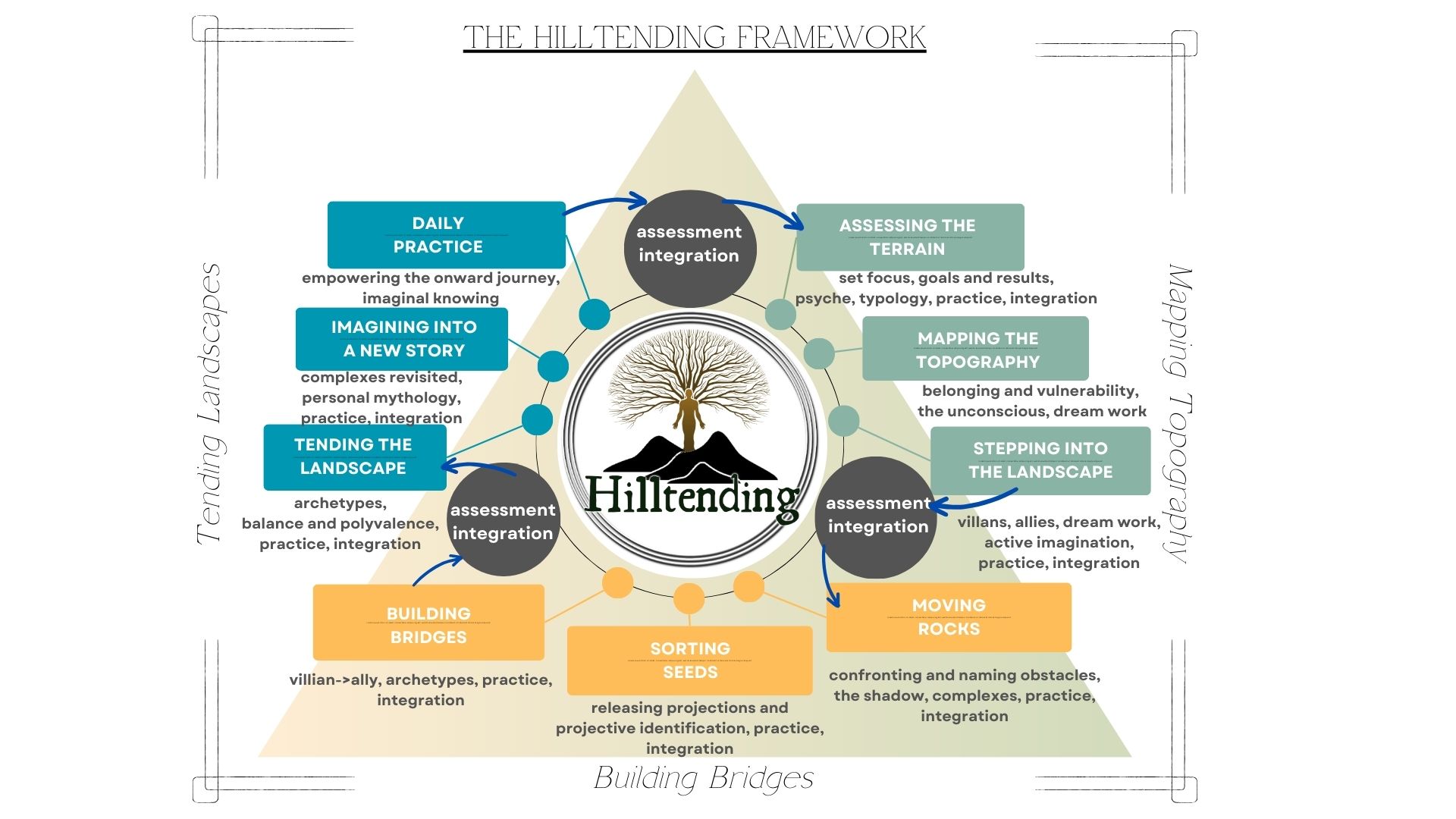
To learn more about one's shadowthe parts of oneself that is reduced off and separated fromrequires repetitively confronting the ego's identity. Depending on one's level of internal resistance and will, this procedure can be testing for numerous people. Therefore, professionals like Jung (and scholars like Joseph Campbell) consider it a "heroic act" to bridge the void in between the conscious and the unconscious.
Freud was brushing the more youthful Jung to be his successor. Jung suggested a various name for their emerging area: psyche-analysis.
Jung saw their role as an evaluation of the human mind, heart, and spirit. That is, Jung saw an extremely different picture of the human problem than Freud.
The Evidence Supporting EMDR Treatment
Jung thought that we are ALL fragmented and split, and intentionally or not, we're all searching for our spirits. This search for one's soul is at the facility of depth psychology.
D. in psychology, you aren't most likely to communicate with Jungian theory except perhaps in a history class (where they teach you that psychoanalysis was the "very first wave"). The academic field of psychology is, as Jung would certainly state, one-sided. It's almost exclusively concentrated on the conscious mind (what he called the thinking function).
It makes sensemost individuals run totally within the mindful mind, the world of the ego. Below, the vanity supervises and tries to control itself and its setting. Depth psychology, on the other hand, needs us to connect with the subconscious domainto get in the frequently unclear world of icons, photos, and feelings.

Table of Contents
Latest Posts
Modern Psychodynamic Approaches in Clinical Practice
When Rapid Trauma Processing Addresses Core Issues of Nutritional Challenges
Building a Nourishing Relationship with Food After Traumatic Experiences
Navigation
Latest Posts
Modern Psychodynamic Approaches in Clinical Practice
When Rapid Trauma Processing Addresses Core Issues of Nutritional Challenges
Building a Nourishing Relationship with Food After Traumatic Experiences